MRI Scan
What is MRI Scan?
MRI (Magnetic Resonance Imaging) is a non-invasive diagnostic imaging technique that uses powerful magnets and radio waves to produce detailed images of the body's internal structures. It is commonly used to evaluate the brain, spinal cord, joints, and other soft tissues to help detect abnormalities, injuries, or diseases.
Types of MRI Scans
- Detects brain tumors, strokes, infections
- Evaluates causes of headaches and seizures
- Checks multiple sclerosis or brain injuries
- Monitors brain structure and blood flow
- Detects slipped discs or spinal cord compression
- Evaluates spinal tumors or infections
- Identifies causes of back pain or weakness
- Assesses congenital spine abnormalities
- Evaluates ligament and tendon injuries
- Detects cartilage damage and arthritis
- Diagnoses muscle tears
- Assesses sports injuries
- Examines heart structure and function
- Detects heart muscle damage
- Assesses congenital heart disease
- Evaluates blood flow and valve function
- Detects liver and kidney disorders
- Evaluates tumors and infections
- Diagnoses uterine and prostate conditions
- Stages abdominal cancers
- Provides detailed fetal imaging
- Detects congenital abnormalities
- Complements ultrasound findings
- Helps plan neonatal care
Why Choose MRI Scan
MRI scans provide high-resolution images without using harmful radiation. They are ideal for identifying soft tissue conditions and neurological disorders, making them essential for accurate diagnosis.
Why This Test
MRI helps detect internal conditions that may not be visible on X-rays or ultrasound, supporting early diagnosis and effective treatment planning.
CT Scan
What is CT Scan?
CT (Computed Tomography) scan is an advanced imaging technique that combines multiple X-ray images to create detailed cross-sectional pictures of the body. It is commonly used to evaluate bones, organs, blood vessels, and soft tissues for injuries, infections, or diseases.
Types of CT Scans
- Detects brain injuries, bleeding, and swelling
- Evaluates strokes and head trauma
- Identifies brain tumors or structural abnormalities
- Checks sinus and skull bone conditions
- Detects lung infections, pneumonia, and tuberculosis
- Identifies lung cancer and pulmonary nodules
- Evaluates heart, lungs, and major blood vessels
- Assesses chest injuries or congenital abnormalities
- Detects tumors, cysts, and infections in abdominal organs
- Evaluates liver, kidney, pancreas, and spleen disorders
- Helps diagnose appendicitis, gallstones, or intestinal issues
- Assesses uterus, ovaries, and prostate abnormalities
- Examines arteries and veins in detail
- Detects aneurysms, clots, and vascular blockages
- Evaluates blood flow in brain, chest, abdomen, and legs
- Helps plan vascular surgeries or stent placement
- Used for cancer screening and early detection
- Detects injuries after major trauma
- Evaluates spread of cancer
- Used for preventive imaging
- Detects spinal fractures
- Evaluates herniated discs
- Identifies tumors or infections
- Assists surgical planning
- Detects sinus infections
- Evaluates nasal blockages
- Helps plan surgery
- Assesses chronic sinusitis
Why Choose CT Scan
CT scans provide precise and detailed images, making them highly effective for diagnosing internal conditions quickly. They are essential for trauma evaluation, detecting tumors, planning surgeries, and guiding treatment decisions.
Why This Test
CT imaging helps detect and monitor medical conditions not visible on standard X-rays, supporting accurate diagnosis and treatment planning.
Ultrasound Scan
What is Ultrasound Scan?
Ultrasound scan is a non-invasive imaging technique that uses high-frequency sound waves to create images of organs and tissues inside the body. It is widely used to monitor pregnancy, assess abdominal organs, detect cysts, and evaluate blood flow and soft tissue structures.
Types of Ultrasound Scans
- Evaluates liver, gallbladder, pancreas, kidneys, and spleen
- Detects gallstones, liver disease, and kidney stones
- Identifies cysts, tumors, or fluid collections
- Helps diagnose abdominal pain
- Examines uterus, ovaries, bladder
- Detects fibroids and ovarian cysts
- Evaluates pelvic pain or abnormal bleeding
- Helps assess infertility issues
- Monitors fetal growth and development
- Detects congenital abnormalities
- Checks placenta and amniotic fluid
- Determines due date and multiple pregnancies
- Detects breast lumps and cysts
- Differentiates solid vs fluid-filled masses
- Guides biopsy procedures
- Used along with mammography
- Evaluates thyroid size and structure
- Detects nodules or enlargement
- Guides FNAC biopsy
- Monitors thyroid disorders
- Measures blood flow in arteries and veins
- Detects clots and blockages
- Diagnoses varicose veins and DVT
- Evaluates carotid and limb circulation
- Examines kidneys and urinary bladder
- Detects stones, cysts, infections
- Evaluates urinary obstruction
- Monitors chronic kidney disease
- Evaluates prostate size and structure
- Detects enlargement or tumors
- Guides prostate biopsy
- Used in male infertility evaluation
Why Choose Ultrasound Scan
Ultrasound scans are safe, painless, and radiation-free. They provide real-time imaging and are ideal for evaluating organs, guiding procedures, and monitoring health conditions.
Why This Test
Ultrasound helps in early detection of abnormalities and supports accurate diagnosis and treatment planning, especially for pregnancy and abdominal organs.
PET Scan
What is PET Scan?
PET (Positron Emission Tomography) Scan is an advanced imaging technique that helps detect changes in cellular function and metabolism in the body. It is commonly used to identify cancer, monitor treatment progress, and evaluate brain and heart conditions.
Types of PET Scans
- Detects cancers and tumors at an early stage
- Determines if tumors are benign or malignant
- Helps in cancer staging
- Monitors chemotherapy or radiation response
- Evaluates blood flow to heart muscles
- Detects reduced oxygen supply
- Identifies coronary artery disease
- Guides cardiac treatment planning
- Evaluates brain metabolism and activity
- Detects Alzheimer’s and dementia
- Helps diagnose epilepsy and Parkinson’s
- Assesses brain tumors and strokes
- Provides complete metabolic assessment
- Detects cancer spread across organs
- Used for early cancer detection
- Supports preventive health evaluation
- Combines PET metabolic data with MRI detail
- Ideal for neurological and oncological cases
- Provides superior soft tissue contrast
- Lower radiation than PET-CT
- Combines PET functional imaging with CT anatomy
- Highly accurate cancer diagnosis
- Used for radiation therapy planning
- Detects small and early lesions
Why Choose PET Scan
PET scans detect metabolic changes before structural damage occurs, enabling early diagnosis, accurate staging, and effective treatment monitoring.
Why This Test
PET scans help detect cancer, neurological disorders, and cardiac conditions early, guiding precise medical decision-making and therapy evaluation.
X-Ray
What is X-Ray?
X-Ray is a quick and non-invasive imaging technique used to view the structure of bones and certain internal organs. It helps in detecting fractures, infections, or abnormalities in the skeletal system and chest area.
Types of X-Rays
- Detects lung infections such as pneumonia or tuberculosis
- Evaluates heart size and chest wall structures
- Identifies fractures of ribs or chest bones
- Helps monitor chronic lung conditions like asthma or COPD
- Detects cavities and tooth decay not visible in routine exams
- Evaluates jawbone and root health
- Helps in planning dental implants and braces
- Identifies cysts, abscesses, and impacted teeth
- Detects bone fractures and dislocations
- Evaluates arthritis and joint degeneration
- Checks for bone infections and tumors
- Monitors bone healing after treatment
- Detects intestinal blockages and perforations
- Identifies swallowed foreign objects
- Helps diagnose kidney stones and gallstones
- Evaluates stomach and bowel conditions in emergencies
- Used for early detection of breast cancer
- Identifies lumps, tumors, and calcifications
- Distinguishes between benign and suspicious growths
- Guides further imaging tests and biopsies
Why Choose X-Ray
X-Ray scans are a fundamental diagnostic tool for evaluating bone health, lung conditions, and other internal structures. They are fast, safe, and provide valuable insights for early detection and monitoring of medical conditions.
Why This Test
X-Ray allows doctors to quickly identify fractures, dislocations, infections, or abnormalities. It is particularly useful for assessing chest infections, bone injuries, and joint issues.
DEXA Scan (Bone Densitometry)
What is a DEXA Scan?
A DEXA Scan (Dual-Energy X-ray Absorptiometry) is a specialized imaging test that measures bone mineral density (BMD). It is used to diagnose osteoporosis, assess fracture risk, and monitor changes in bone health over time.
Types of DEXA Scans
- Measures bone density in the spine and hip (most common method)
- Used for diagnosing osteoporosis and predicting fracture risk
- Provides detailed and highly accurate results
- Measures bone density in smaller bones such as wrist, heel, or finger
- Often used for quick screenings
- Less detailed compared to central DEXA scan
Why Choose a DEXA Scan
DEXA scans are highly accurate and considered the gold standard for measuring bone density. Early detection of bone loss allows timely interventions, reducing the risk of fractures and improving overall bone health.
Why This Test
The DEXA Scan helps identify low bone density before symptoms appear.
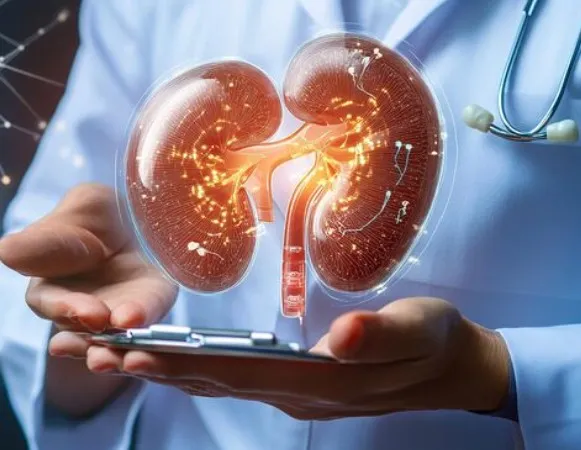
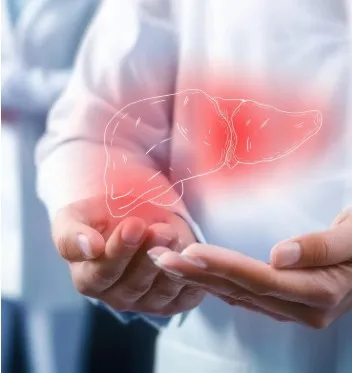
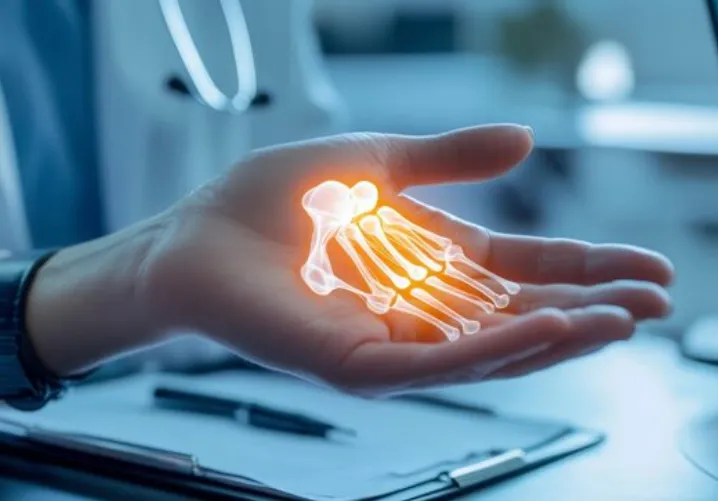
Complete Health Screening for Your Vital Organs
At Niva Health Kare, we provide a wide range of diagnostic tests to monitor the health and function of your vital organs.
View All Checkups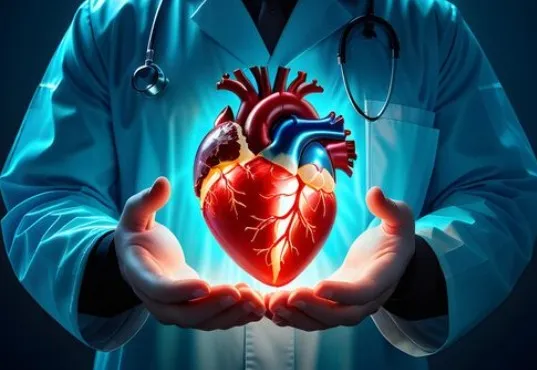


“Fast reports & polite support. Highly recommended.”
⭐⭐⭐⭐⭐
“Home sample collection was on time and very hygienic.”
⭐⭐⭐⭐⭐
“Booked a full body checkup. Got reports within hours.”
⭐⭐⭐⭐⭐
“Very smooth experience. Support team was helpful.”
⭐⭐⭐⭐⭐
What Patients Say
On Google
Trusted by thousands for accurate reports and convenient home sample collection. Rated 4.3★ on Google.
4.3
Rating
10k+
Users
NABL
Labs
Frequently Asked Questions
How do I book a diagnostic scan with Niva Health Kare?
You can book a scan online through our website or by calling our support team. Select the required scan and choose a convenient date and center.
Do you provide home scan services?
Most diagnostic scans such as X-Ray, MRI, CT, DEXA, and Ultrasound are performed at our partner diagnostic centers. Home services may be available only for select portable tests.
How long does it take to receive scan reports?
Report delivery time depends on the scan type. Most scan reports are available within 24–48 hours, while some advanced scans may take longer.
Can I book a scan online?
Yes, scans can be booked online anytime. Our team will assist with appointment confirmation and scan center details.
Is any preparation required before a scan?
Preparation depends on the scan type. Some scans may require fasting, avoiding metal objects, or special instructions, which will be shared before your appointment.
Where are your scan centers located?
We work with certified diagnostic centers across Bangalore, making it easy to access scans near your location.
Why choose Niva Health Kare for diagnostic scans?
We partner with certified imaging centers, ensure transparent pricing, timely reports, and smooth appointment coordination.
Can I book scans for multiple family members?
Yes, you can book scans for multiple family members. Our team will help schedule appointments accordingly.